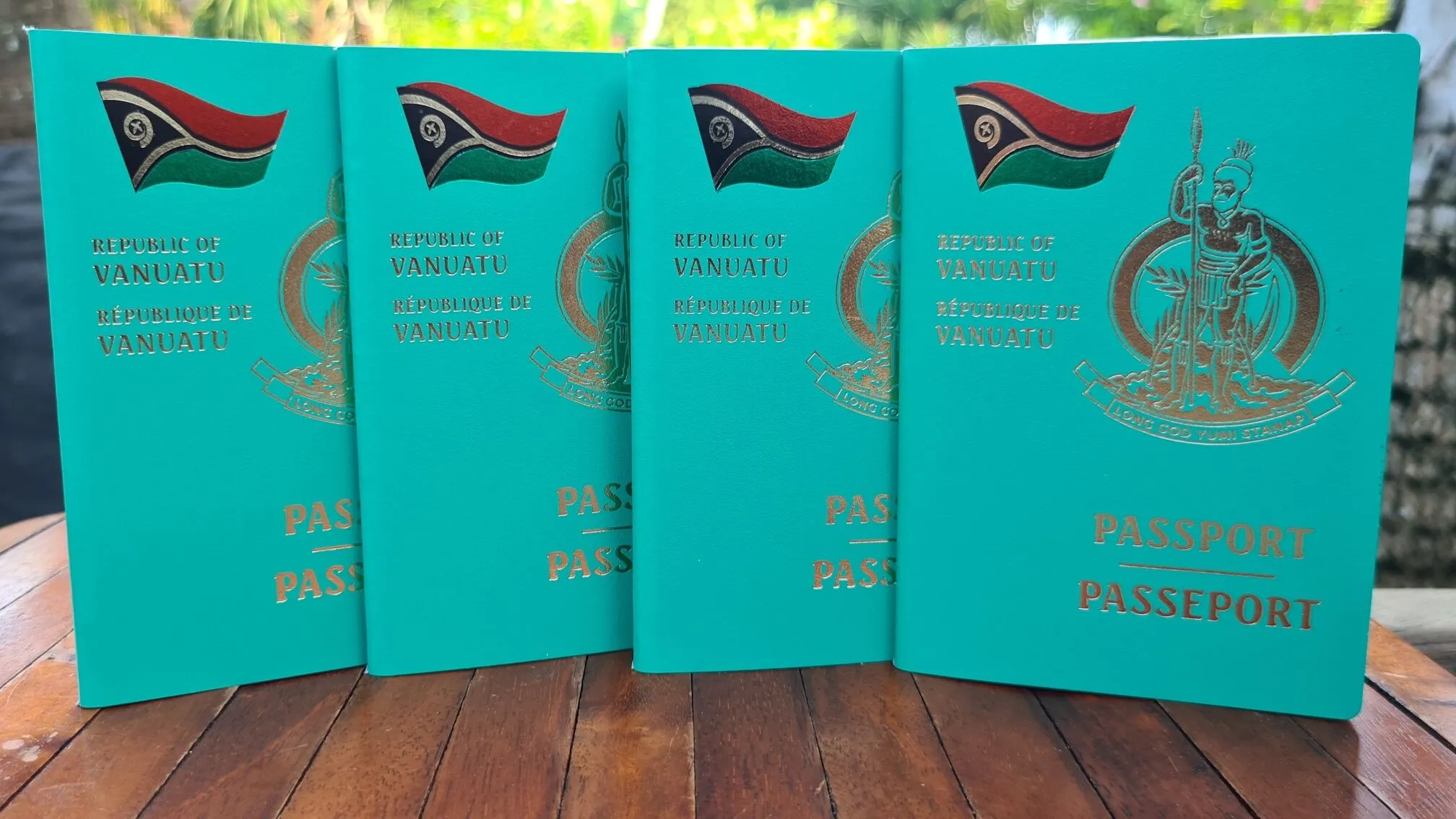
Vanuatu's golden passport program—officially the Development Support Program (DSP)—offers one of the fastest routes to a second citizenship. But its value has changed. As of 2026, international scrutiny has taken a serious toll, most notably the EU's decision to suspend visa-free access. For a single applicant, the minimum contribution is around $130,000, but that's just the starting point before significant fees are added.
Citizenship-by-Investment (CBI) - A legal process where an individual makes a significant economic contribution to a country, such as a real estate investment or a non-refundable donation to a national development fund, in exchange for being granted citizenship and a passport.
Visa-Free Access - The ability of a citizen of one country to travel to another country for a temporary stay without needing to obtain a visa beforehand. This is a key metric used to determine the "power" of a passport.
Key Takeaways
- Starting Cost is $130,000: The minimum non-refundable donation for one person is $130,000, and this figure rises for families. This price tag excludes mandatory due diligence, application, and agent fees that can add another $10k-$20k to the final bill.
- The EU Door Is Closed: In 2022, the European Union suspended its visa-waiver agreement with Vanuatu. Citing security concerns over the CBI program, this single move drastically cut the passport's travel power.
- No Direct Crypto Payments: You cannot officially pay the Vanuatu government with cryptocurrency. Certain agents might offer to convert your crypto to fiat currency for the payment, but this is a private service with its own set of risks, not a government-endorsed policy.
- Its Primary Benefit is Speed: Today, the main draw of a Vanuatu passport isn't world-class travel. It's speed. With processing often taking just 2-4 months, it serves as a rapid "Plan B" for personal and financial security.
- Where Can It Still Take You?: Even without the EU, the passport provides visa-free access to around 88 countries. This list (which is always subject to change) includes the UK, Hong Kong, and Singapore.
What's the Real Story Behind Vanuatu's Citizenship-by-Investment Program?
Vanuatu’s CBI program, the Development Support Program (DSP), built its reputation on being one of the world's fastest paths to a second passport. For years, the appeal was simple: a straightforward donation and visa-free travel to prime destinations, including the EU’s Schengen Area.
That reputation is now fractured. Intense pressure from international bodies, especially the EU, revealed deep flaws in the program’s background checks. These concerns led to a decision that fundamentally torpedoed the passport’s value. This article offers a clear-eyed 2026 assessment, cutting through the marketing hype to focus on the legal and diplomatic reality on the ground.
What is the Reported Cost of a Vanuatu Passport, and What Are You Paying For?
The core of Vanuatu's DSP is a non-refundable contribution to a government development fund. While the government publishes official figures, the costs you see advertised come from authorized agents. These amounts scale up with every dependent you add to the application.
But the headline number isn't the final number. Applicants must also cover several other mandatory fees. These include hefty due diligence fees for background checks on the main applicant and any dependents over a certain age, plus separate application fees, processing fees, and the agent's own professional costs. That due diligence payment is the very first financial step—and it's non-refundable, meaning you lose that money even if your application is ultimately rejected based on the findings.
How much does a Vanuatu passport cost?
The baseline donation amounts are widely advertised and generally follow this structure:
- Single Applicant: $130,000
- Main Applicant and Spouse: $150,000
- Family of Four (Applicant, Spouse, 2 Children): $180,000
It's vital to see these as the floor, not the ceiling. The total cost will be higher once due diligence, government administration, and agent fees are factored in. Expect the final bill to be $10,000 to $20,000 more, sometimes higher depending on your family's size and your chosen agent.
Can You Really Pay for Vanuatu Citizenship with Cryptocurrency?
The claim that you can buy a Vanuatu passport directly with Bitcoin is a stubborn marketing myth. The reality is more complicated. As of 2026, the Vanuatu government has no official channel for accepting cryptocurrency to satisfy the donation requirement.
So, where does this idea come from? Some authorized agents will accept crypto from their clients. These agents then take on the risk of converting your crypto into U.S. Dollars to make the official government payment on your behalf. Think of it as a separate, third-party financial service, not a government policy. This introduces volatility risk—if the market moves against you during the transaction, you could be on the hook for the difference. Always perform extra diligence on any agent offering this.

Why Did the EU Suspend Visa-Free Access for Vanuatu Citizens?
The biggest blow to the Vanuatu passport's value was the EU’s decision to suspend its visa-waiver agreement. This wasn't a surprise. As documented in official EU legal channels like EUR-Lex, the move followed years of warnings about security holes in Vanuatu's CBI programs.
The EU's primary reasons pointed to severe due diligence failures:
- An extremely low rejection rate, which suggested a lack of serious vetting.
- Failing to systematically exchange information with applicants' home countries.
- Citizenship was reportedly granted to applicants who were already listed in Interpol's databases.
These issues showed a process that, from the EU's perspective, put revenue ahead of security. The failure to properly vet applicants, a core duty under international standards like Interpol's Rules on the Processing of Data, had a direct and massive diplomatic consequence. It made the passport far less useful for global travel.
Is Vanuatu passport visa-free to UK?
No. The United Kingdom lists Vanuatu as a visa national, so a UK visa is required for any visit — the visa-free arrangement ended on 19 July 2023. This policy is not set in stone. The EU's action created a blueprint, and the UK, which now runs its own border policy, constantly reviews its visa agreements. The same security concerns that led to the EU suspension could easily prompt a similar decision from the UK.
Is Vanuatu passport visa-free to Canada?
Yes, Vanuatu citizens typically have visa-free access to Canada for short visits. Just like the UK, however, this is entirely at the discretion of the Canadian government. Scrutiny of CBI programs is rising globally, and countries in the Five Eyes intelligence alliance (which includes Canada) are paying very close attention to the security standards of other nations' passports.
Beyond Visa Travel: What Are the Tangible Benefits of a Second Passport from Vanuatu?
With Schengen Area access gone, the case for a Vanuatu passport has to stand on new ground. The benefits in 2026 are less about easy European vacations and more about fundamental personal and financial defense.
A second passport from a politically neutral country is a powerful "Plan B." It offers a legal identity and a potential new home base that is completely separate from your country of origin. This diversification of personal sovereignty becomes priceless during political turmoil, economic collapse, or other crises at home.
Vanuatu also offers a compelling tax environment. The country has no personal income tax, capital gains tax, or inheritance tax. For anyone looking to legitimately structure their global finances and lower their tax burden, establishing tax residency in Vanuatu can unlock significant advantages.
Finally, the program's key operational advantage remains. Its speed. With processing times from submission to approval often falling between two and four months, it is still one of the fastest CBI options on the market. For an investor who needs a solution now, that speed is a tangible benefit the EU suspension can't touch.
This article is published by an independent law firm for informational purposes only and does not represent or claim affiliation with any government body, international organization, or official authority.